How Much Does It Cost to Develop a Mobile App? A Business Planning Guide
A mobile application can help a business reach customers, manage bookings, process orders or deliver digital services. However, the cost of app development depends on what the application needs to do, how it is built and how it will be maintained after launch.
Instead of relying on a single price estimate, businesses should understand the main cost factors before requesting a quotation.
1. App Complexity and Features
The number and complexity of features have a major impact on development effort.
A basic information app may require a few screens and simple content management. An e-commerce app may need product listings, user accounts, payments, order tracking and notifications.
More complex applications might include real-time tracking, multiple user roles, chat, subscriptions or integration with external platforms.
Start with the essential features and add advanced functionality when there is a clear business need.
2. UI/UX Design
User interface (UI) design determines how an app looks, while user experience (UX) design focuses on how people navigate and use it.
Good design includes clear navigation, accessible controls, helpful error messages and consistent visual elements.
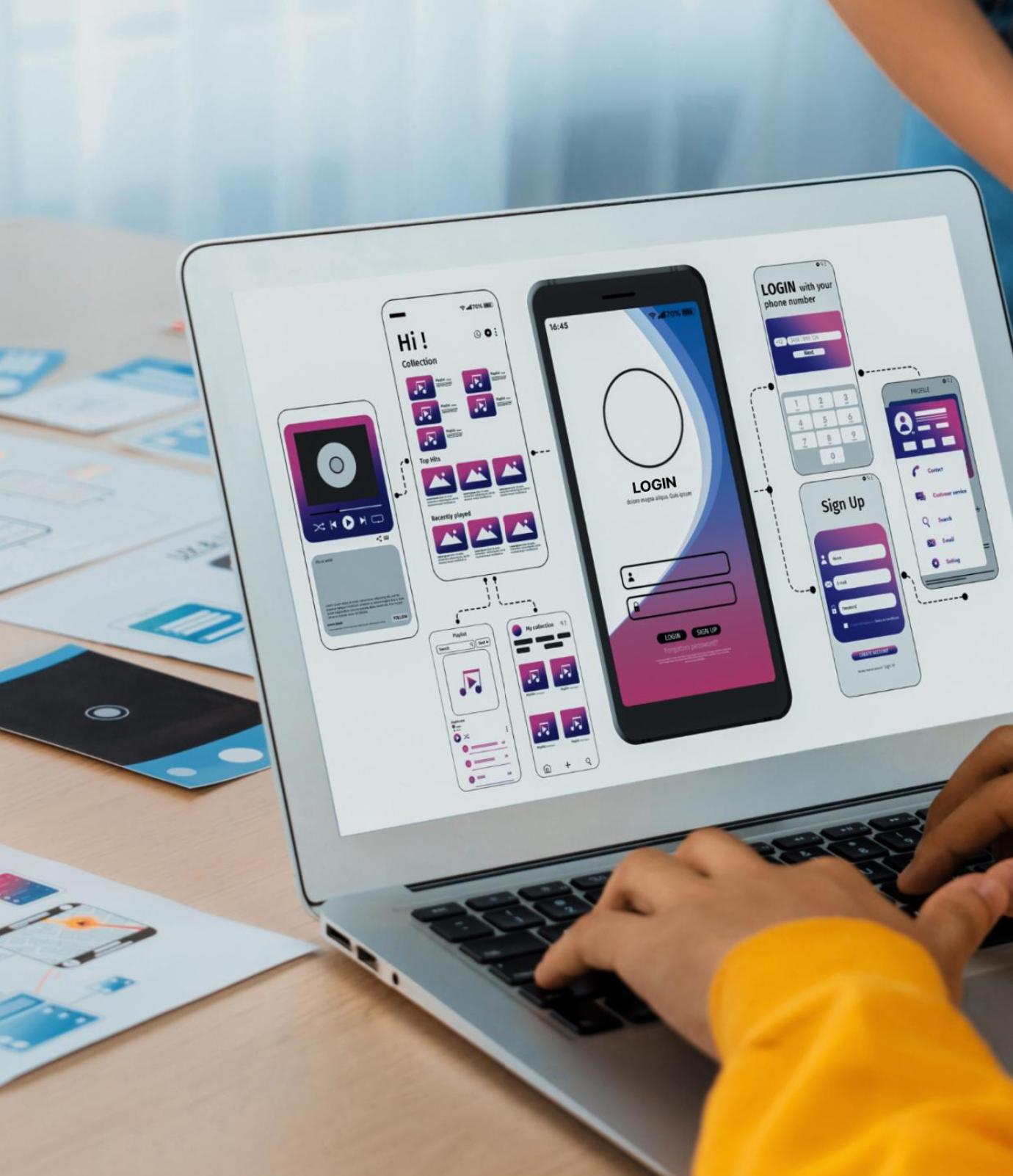
Investing in wireframes and prototypes before development can help identify usability issues early and reduce expensive changes later.
3. Android, iOS or Both
Businesses need to decide which devices their target customers use.
Native development builds separately for platforms such as Android and iOS. Cross-platform development can share parts of the codebase between platforms, although some features may still require platform-specific work.
The appropriate approach depends on performance needs, device functionality, development skills and long-term maintenance plans.
4. Backend Development and Integrations
Many apps need a backend to manage accounts, store information, process requests and support administrative functions.
Additional work may be required for payment gateways, CRM platforms, accounting systems, maps, messaging services or third-party APIs.
Before development begins, identify which integrations are essential and confirm that the required services provide suitable access.
5. Testing, Security and Deployment
An app should be tested across relevant devices, operating system versions and network conditions.
Testing may cover performance, usability, security, payment flows, permissions and error handling.
Deployment also involves store requirements, account setup, release preparation and any necessary privacy disclosures. These activities should be included in the project plan rather than treated as last-minute tasks.
6. Maintenance After Launch
Publishing the app is not the end of the project. Businesses should plan for bug fixes, operating system updates, security patches, hosting, third-party service fees and future improvements.
Ask the development provider what ongoing support includes, how urgent issues are handled and whether maintenance is billed separately.
How to Control Your App Development Budget
Use these practical steps to manage costs:
Define the business problem the app must solve.
Identify the intended users and their essential tasks.
Separate must-have features from optional features.
Prepare wireframes before full development.
Request a written scope of work with deliverables.
Agree on milestones, testing criteria and payment terms.
Clarify ownership of source code and intellectual property.
Budget for hosting, maintenance and future updates.
Should You Build an MVP First?
A minimum viable product (MVP) is an initial version that contains enough core functionality to test the concept with real users.
For example, a booking app might initially support service listings, appointment selection and booking confirmations. Advanced analytics or loyalty features could be introduced after the core workflow has been validated.
An MVP does not mean ignoring security or quality. It means prioritising essential functionality and avoiding unnecessary complexity in the first release.
Conclusion
Mobile app development cost depends on features, design, platform choices, integrations, security and ongoing support. A clear scope and realistic budget are more useful than choosing a provider based on the lowest headline price.
If you are planning a mobile app for your business, prepare a feature list and request a proposal that separates development, third-party services and ongoing maintenance.