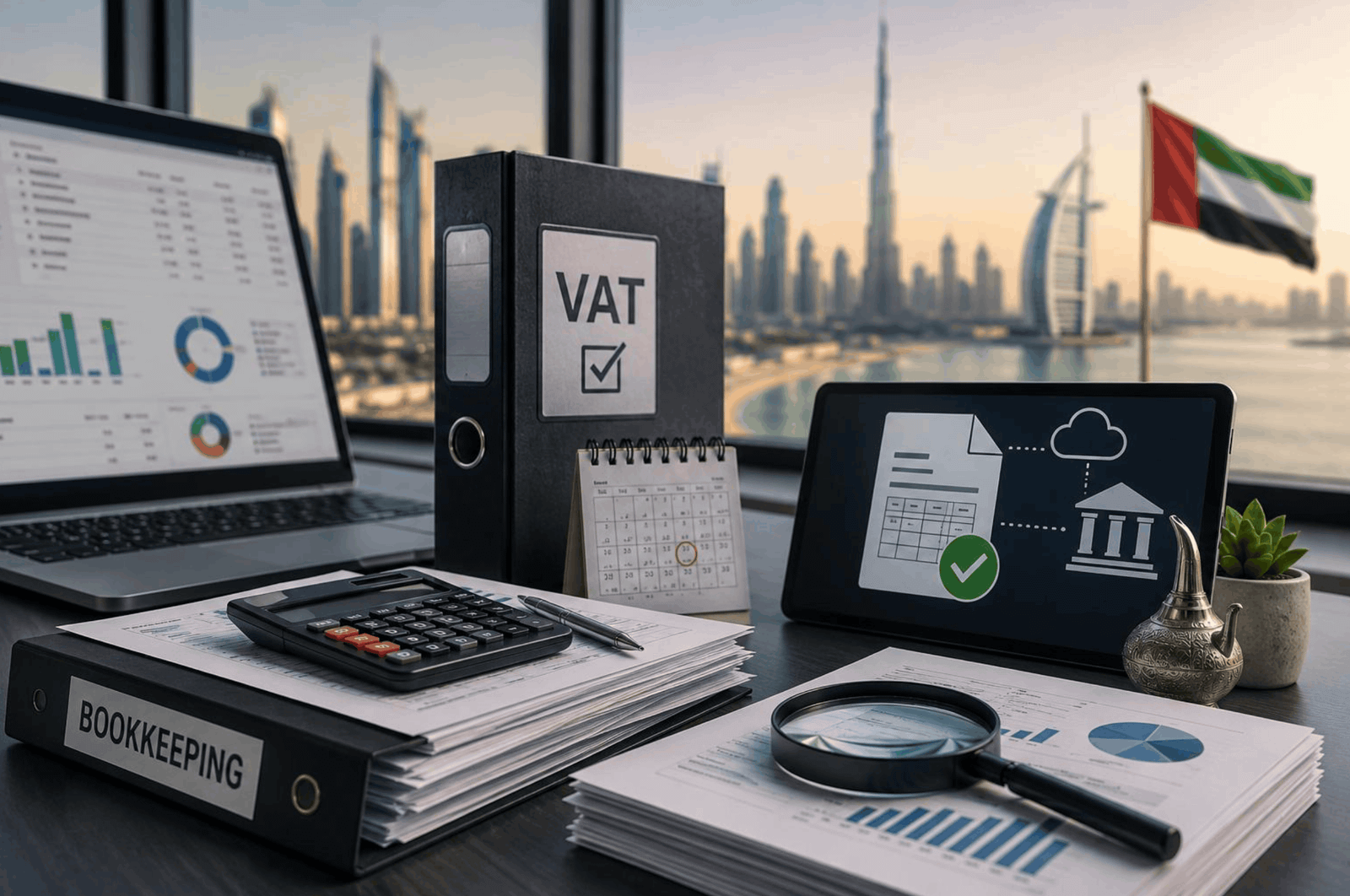
Running a small business involves more than generating sales. Business owners must also manage expenses, collect payments, pay suppliers, monitor cash flow and understand whether the company is actually profitable. Without accurate financial records, it becomes difficult to identify problems before they affect business operations.
Professional accounting services for small businesses can help organise financial information, improve financial visibility and support better decision-making.
Why Is Accounting Important for Small Businesses?
Accounting provides a clear picture of how money moves through a business. It helps owners understand revenue, expenses, outstanding payments and overall financial performance.
Accurate accounting records can help businesses:
Monitor income and operating expenses.
Identify unnecessary spending.
Track customer dues and supplier payments.
Prepare financial reports for management.
Support tax compliance and financial planning.
Make informed decisions about expansion and investment.
Accounting is not just about recording transactions. It is a practical tool for managing business performance.
1. Maintain Accurate Bookkeeping Records
Bookkeeping involves recording sales, purchases, expenses, receipts and payments in an organised manner. Every transaction should be supported by appropriate documentation, such as invoices, receipts, bank statements or payment confirmations.
Regular bookkeeping reduces the risk of missing transactions and makes it easier to review financial performance at month-end.
Businesses can use accounting software to organise their records and reduce repetitive manual work.
2. Monitor Cash Flow Regularly
A business can report a profit and still experience cash shortages if customers delay payments or expenses become due before money is received.
Cash flow monitoring helps businesses understand when money is expected to arrive and when payments must be made.
Preparing a cash flow forecast can help business owners plan supplier payments, salaries, rent and other operating expenses. It can also highlight periods when additional working capital may be required.
3. Use Financial Reports to Measure Profitability
A profit and loss statement shows income, expenses and the resulting profit or loss over a specific period. A balance sheet provides information about assets, liabilities and equity.
Management reports can go further by comparing actual performance with budgets, reviewing monthly trends and identifying changes in expenses.
Businesses with multiple branches or departments may also benefit from branch-wise or department-wise profit and loss reports.
4. Improve Accounts Receivable and Payable Management
Unpaid customer invoices can put pressure on working capital. Businesses should regularly review accounts receivable ageing reports to identify overdue invoices and prioritise follow-ups.
Similarly, accounts payable reports help businesses monitor upcoming supplier payments and avoid missed due dates.
A structured payment and collection process improves visibility and supports better cash planning.
5. Consider Outsourced Accounting Services
Hiring a full-time finance team may not be practical for every small business. Outsourced accounting can provide access to bookkeeping, reconciliations, management reporting and other financial support according to the business's needs.
Before selecting a provider, review its experience, reporting process, communication practices, data security arrangements and ability to work with your accounting software.
Conclusion
Accurate accounting helps small businesses understand their financial position, manage cash flow and identify opportunities to improve profitability. Consistent bookkeeping, timely reconciliations and meaningful financial reports can make daily business management more effective.
If your business needs support with bookkeeping, financial reporting, reconciliations or management accounts, explore professional accounting services tailored to your operational requirements.